✔ BS 7671 compliant reports ✔ CHAS Accredited
Roof-Mounted Systems
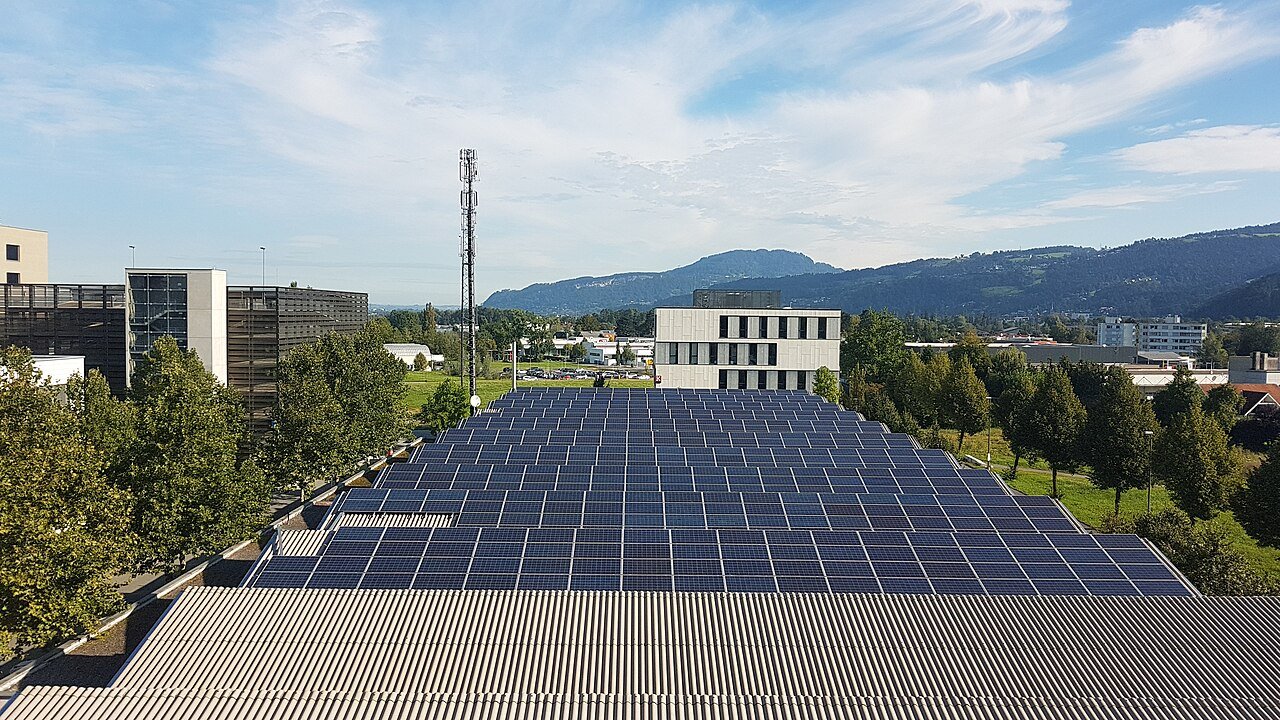
Engineers mount roof arrays. Warehouses, factories, schools receive arrays. Detailed surveys shape custom designs.
Commercial solar PV turns unused roof space into affordable electricity. Edison Compliance Ltd designs and installs systems for businesses, schools and industrial sites.


We fit commercial solar PV panels. Schools, industrial units, businesses gain setups. Experts survey, plan, fit and certify. Engineers size each array to your demand and roof space. You receive clear costs and expected savings.

Engineers mount roof arrays. Warehouses, factories, schools receive arrays. Detailed surveys shape custom designs.

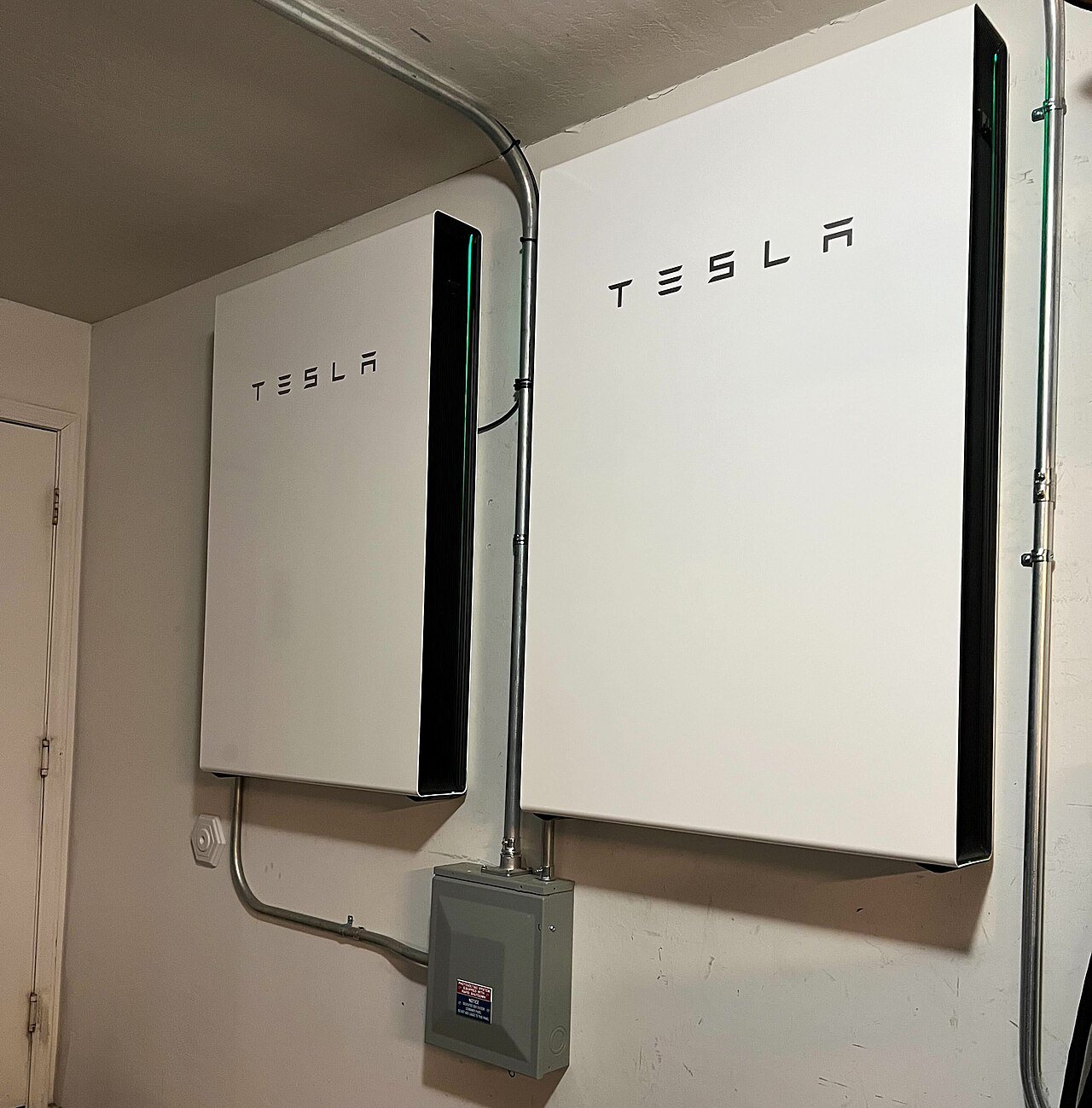
Teams connect solar arrays. Batteries join EV chargers. Stored power covers evening and night demand.
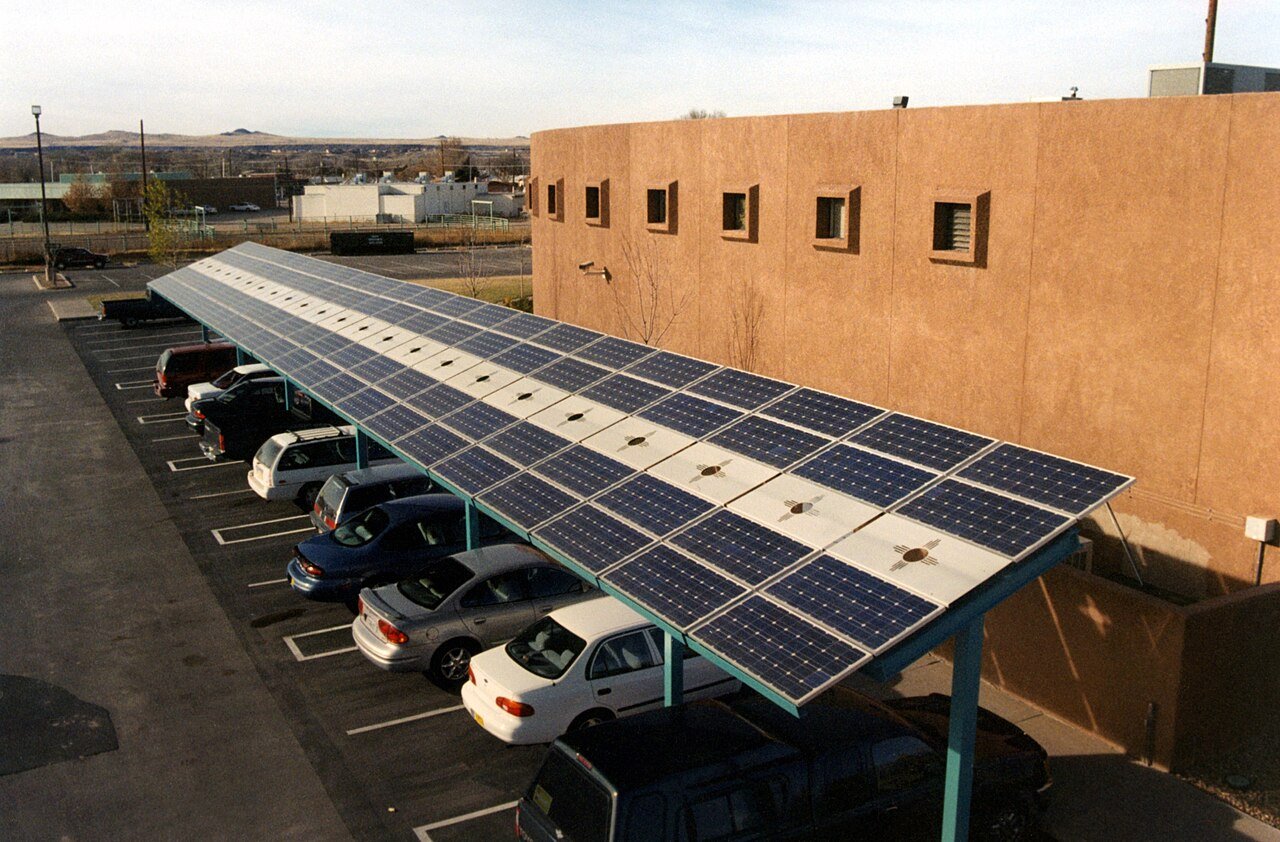
We install car port arrays that shade staff parking. Ground-mounted systems fit open sites. Unused land suits solar arrays.
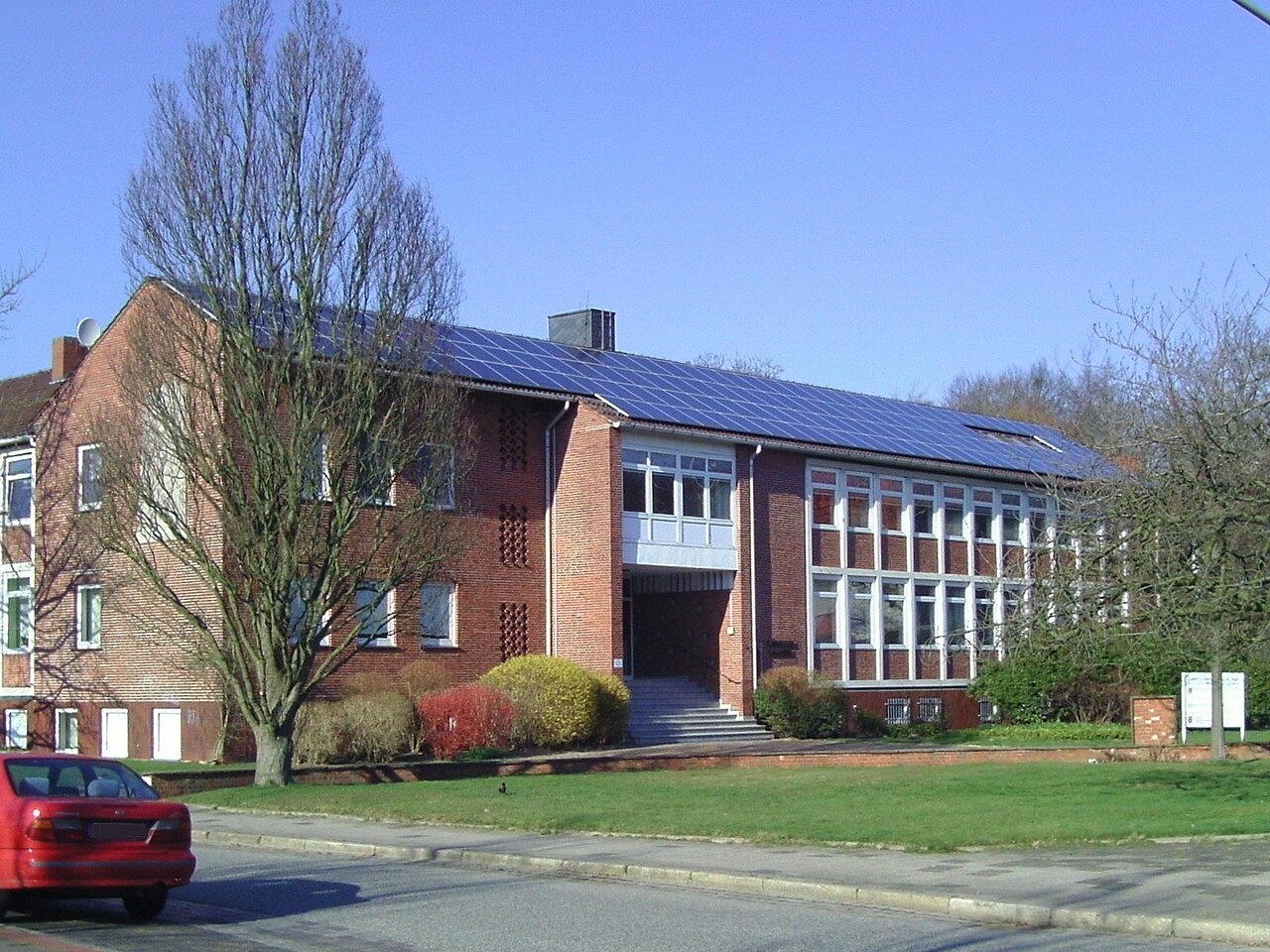
We test every string, circuit and inverter. You receive certificates and a commissioning pack.
Businesses planning commercial solar PV system projects? Call Edison Compliance Ltd on 01614573858 to request an assessment.
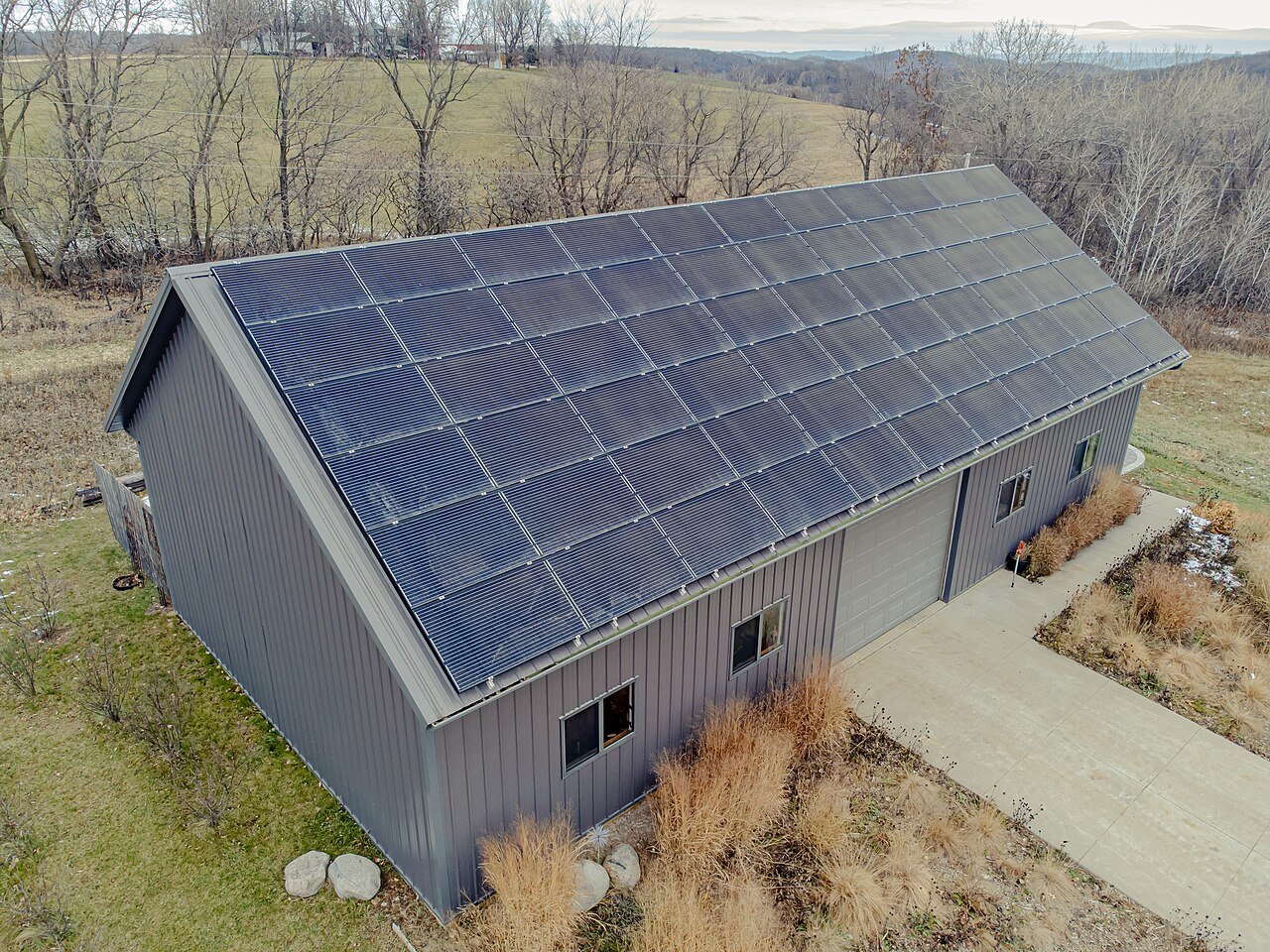
Every site has its own roof, supply and energy demand. Our electricians follow BS 7671 standards. Initial site surveys guide work decisions. Teams assess, plan, install and certify. The stages below show what you receive.
Our team reviews half-hourly data. Analysts study tariffs and daytime demand. Engineers survey roof structures and switchgear. They check roof structure, access routes and shading. You receive a clear sizing recommendation and an outline of costs.
We size the array to match your demand profile and roof space. The design shows panel layout, inverter positions and cable routes. We model annual generation, self-use and export. You receive costs, savings and a payback estimate.
We check roof strength and fire safety. Then, inspect firefighter access before work. We plan DC isolation, cable routes and inverter locations. We coordinate scaffold, crane and roof access. We follow CDM duties and your site rules.
Larger systems need a G99 application to your network operator. We prepare the technical data and track approval. We agree export limits and protection settings. Approval can extend the programme, so we start it at survey stage.
We test every string and commission each inverter on site. Engineers configure system generation monitoring. Automated systems detect fault conditions. Handover packs supply wiring drawings. Your team learns how to read the system data.

Engineers fit solar panels producing usable AC supply. Buildings consume solar power commercial installations generate. Facilities store unused power for later. Surplus power exports to the grid or charges a battery.
Systems match locations needing daytime electricity. Factories, offices, schools, warehouses drive power. Daylight hours drive maximum site usage. This lets sites use more of the solar power themselves. Maximised self-use drives annual energy benefits.
Growing power prices force practical measures. Net zero targets support solar power. Review key signs before planning projects. Each sign points to a savings or planning opportunity. A site assessment confirms the right system.

Daylight power users maximize solar gains. Direct usage increases total savings. Generating power cuts grid dependence.
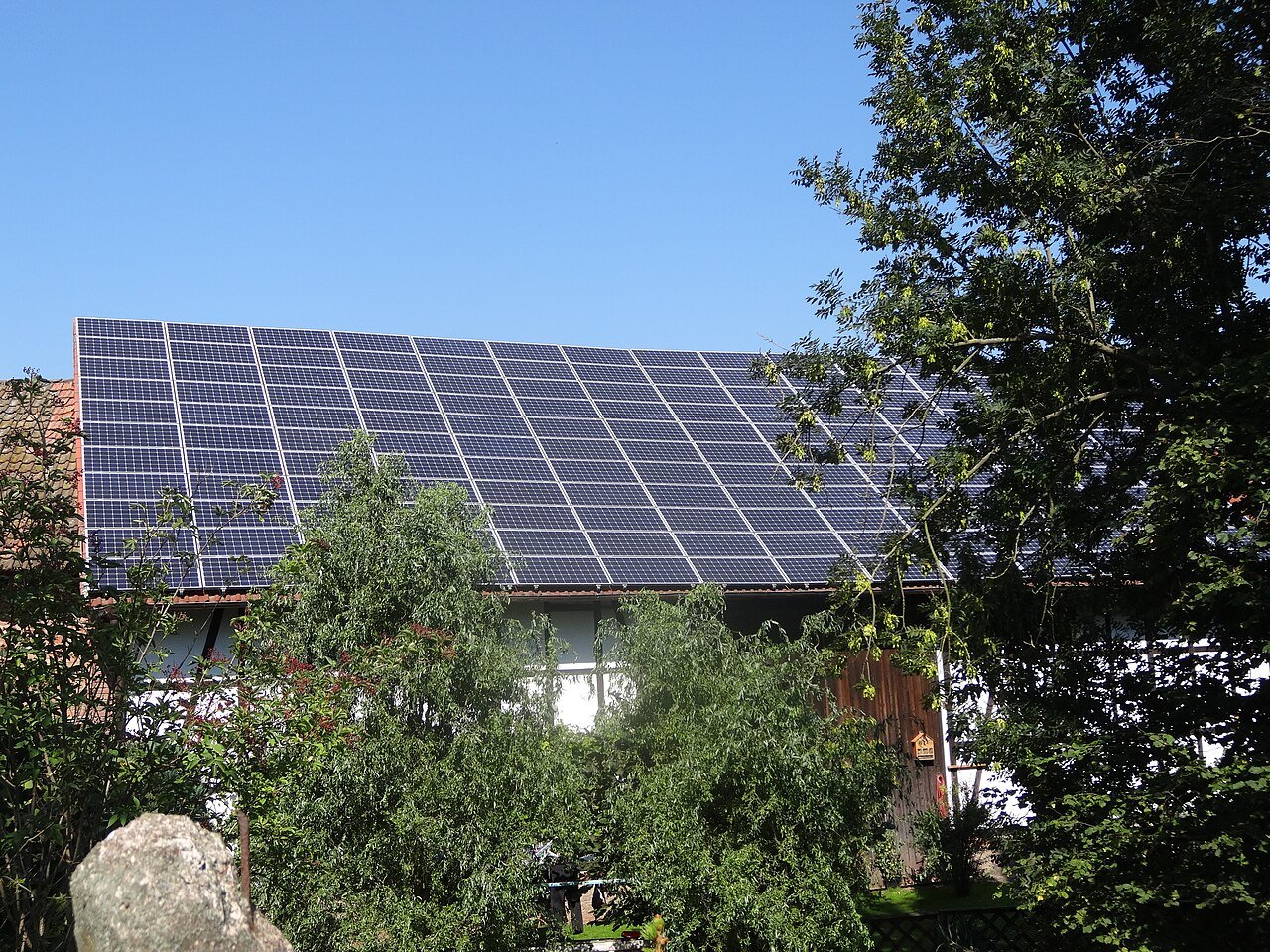
Boards request carbon reduction plans. Clients demand emission reduction goals. Panels cut Scope 2 carbon.
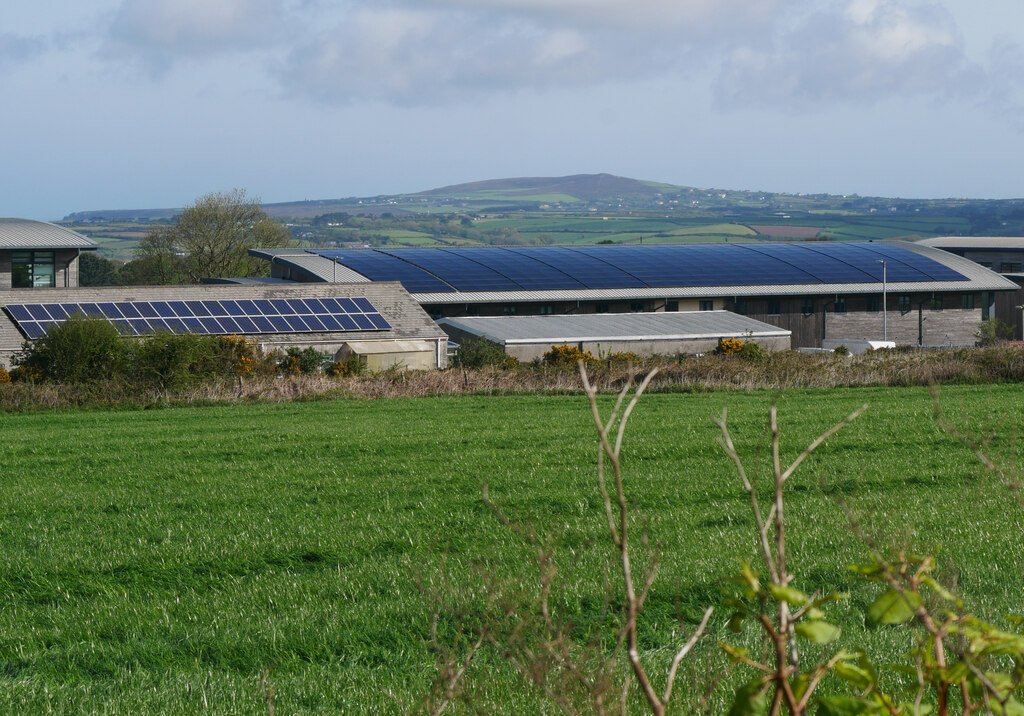
A roof renewal gives you the ideal time to fit solar. Combine the works to cut access and scaffold costs.
Rising unit prices increase your exposure to the grid. Solar reduces the share of power you buy from the grid.
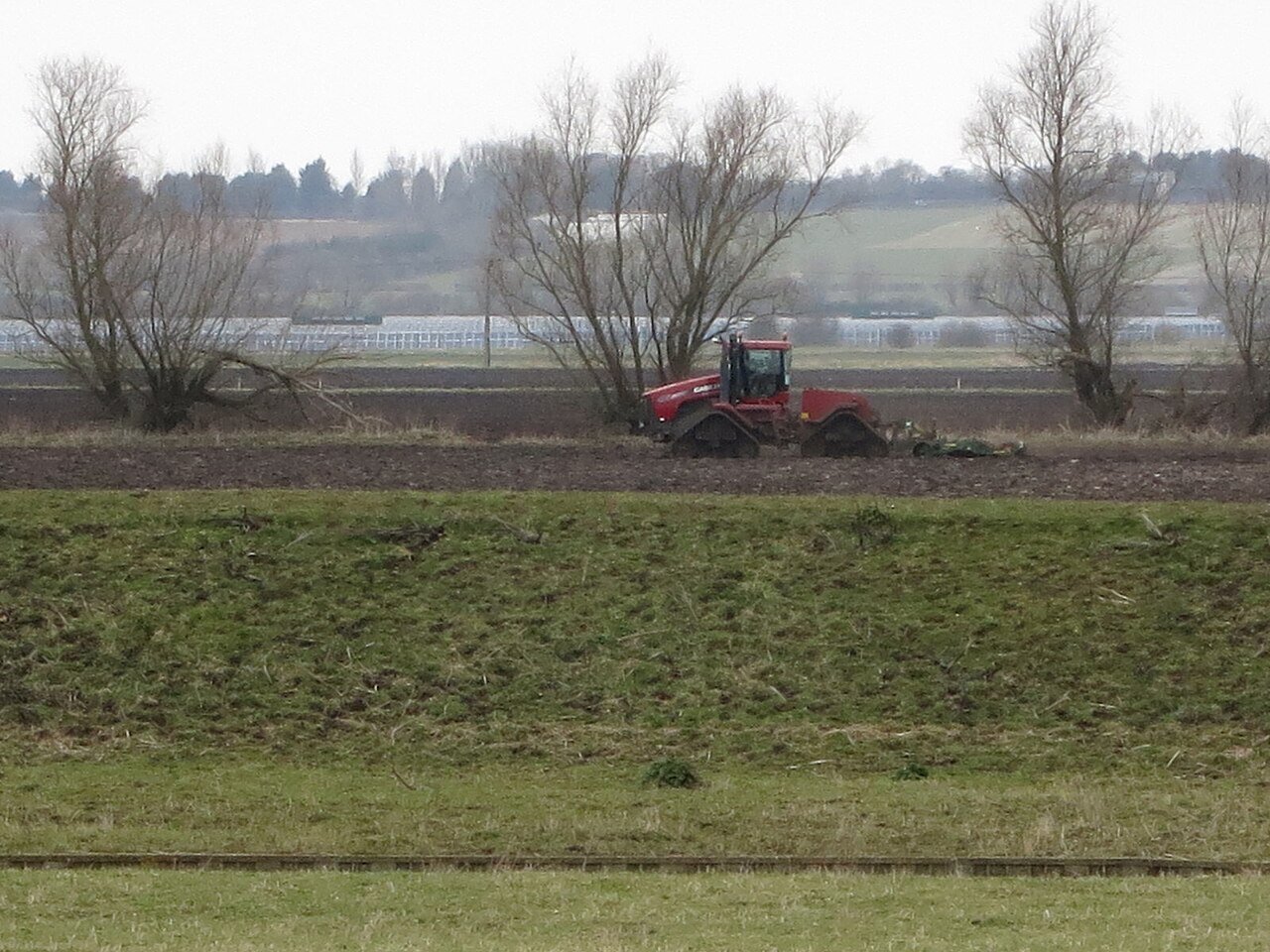
Large flat roofs and spare land suit commercial arrays. Idle roof space can produce power for your site.
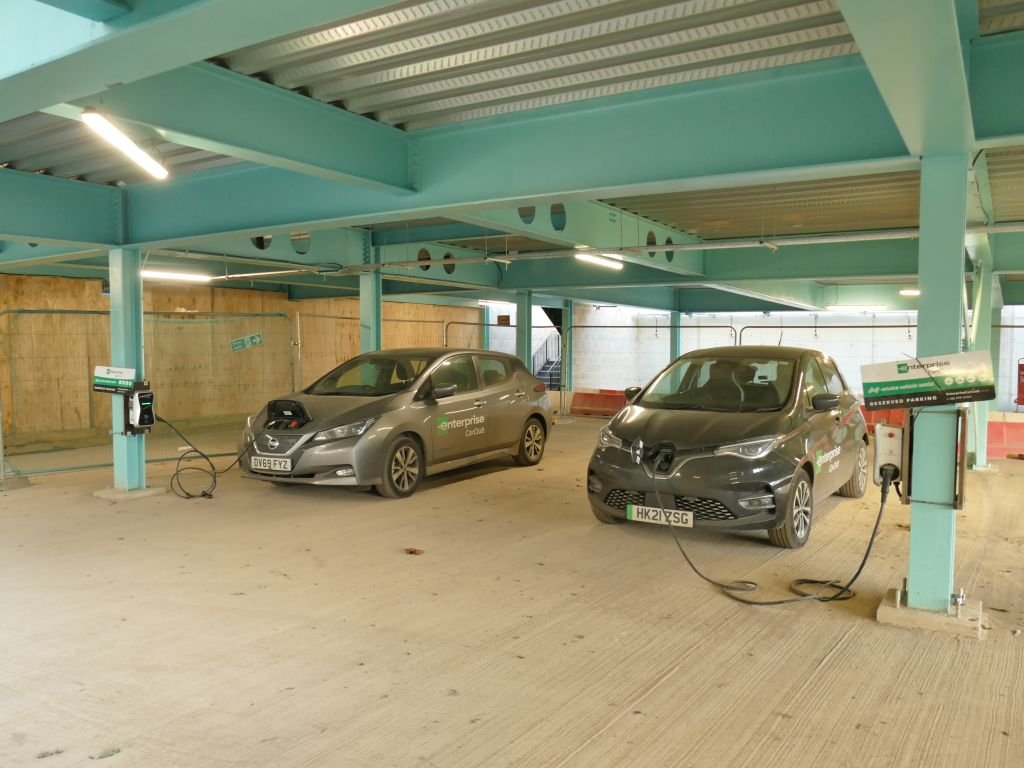
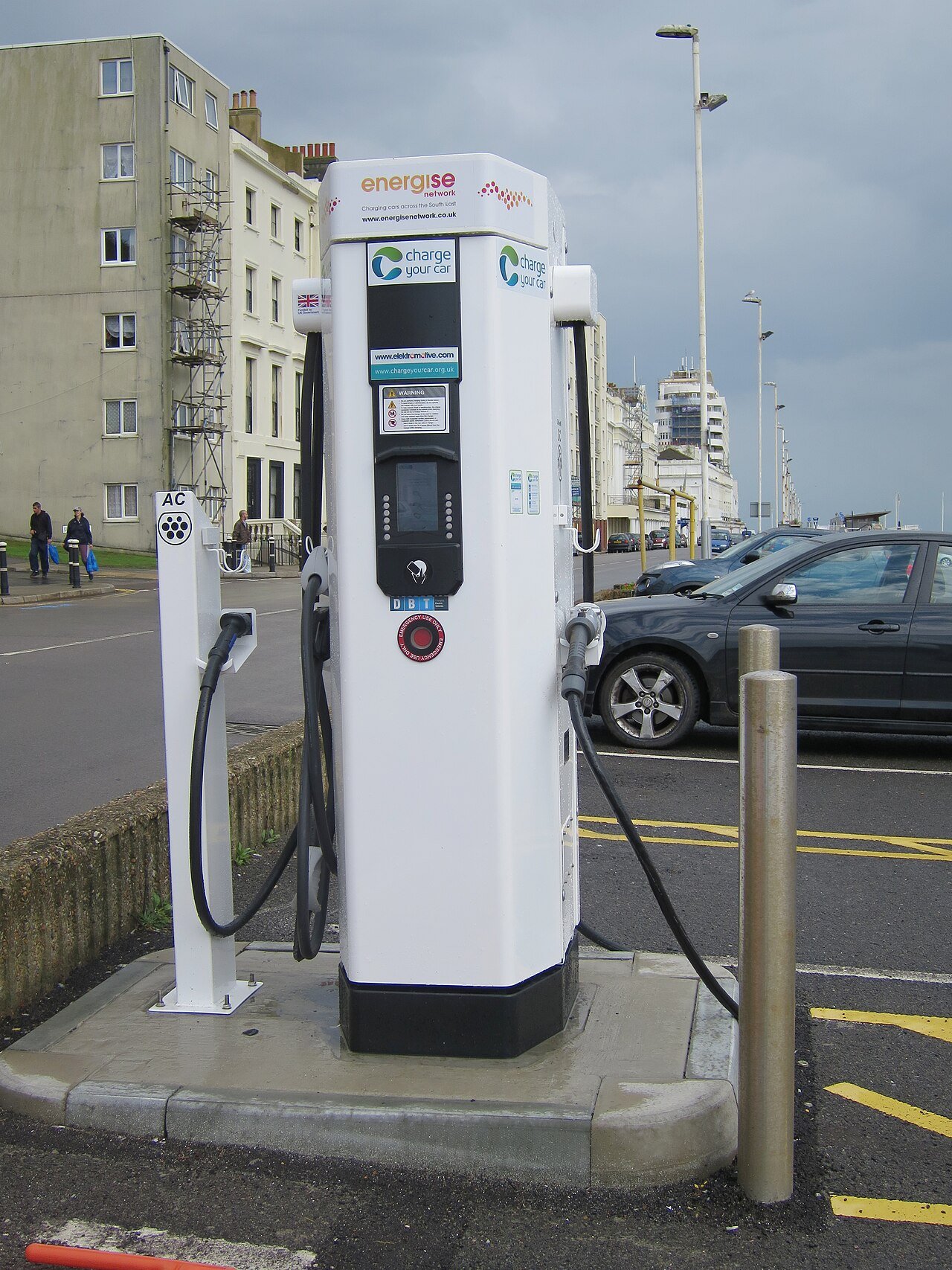
EV chargers boost site power. Electric cars raise overall demand. Solar can supply part of that charging power.

BS 7671 Section 712 covers solar commercial PV installations. Larger systems need a G99 application to your network operator. The CDM Regulations 2015 apply to commercial electrician work. We manage design, safety and documentation for each project.
Systems match locations needing daytime electricity. Factories, offices, schools, and warehouses drive power. Daylight hours drive maximum site usage. This lets sites use more of the solar power themselves. Maximised self-use drives annual energy benefits.
Accreditation from NAPIT backs Edison. We secure CHAS certification for safety processes. Installers fit commercial solar power arrays. Staff lead every phase of the project. A single agreement covers survey, installation, and testing.
We start with a site assessment and an energy review. Your half-hourly data shows when your site uses power. We size the system to match that demand. You receive a design, costs, and expected generation.
We review your roof, supply and energy data.
We size the system and model expected generation.
We mount, wire and test the solar array.
We commission the system and notify your network operator.
We confirm the programme after you accept the proposal. Installation runs in phases to protect site operations. Network approval and grid connection set the final switch-on date. You receive one point of contact for the whole project.
Your pack contains electrical safety certificates. Files store commissioning records and system drawings. Packs feature panel, inverter and battery data. It records your network operator approval and export limits. Store these documents with your warranty papers.
We fit solar panels for companies. Universities, schools, retail parks gain installations. Engineers mount industrial solar panels on sites. Multi-site clients receive one programme and one reporting format. We schedule works around your operations and site access.


Find answers to common questions about commercial electrical testing. Learn about compliance, inspections, scheduling, and our testing services.
A: Work crews fit commercial solar power systems. System scale and site access dictate schedules. Grid approval processes extend overall job timelines.
A: Building strength, age, and shading influence results. Space supports commercial solar power system setups. Our inspector records key findings in writing.
A: Commercial panels span 2.3 metres by 1.1 metres. Building roof area limits total array capacity. Factors like demand shape commercial solar power.
A: High daytime energy sites need commercial solar power. Roof space allows panel array setups. Experts calculate savings before contract signing.
A: Daytime demand dictates commercial solar power scale. Roof space and export limits set capacity. We model each option and its payback before you commit to it.
Book your service quickly online or give us a call.
We’re ready when you are.
Illustrative stock photographs, not Edison client projects. Images shown without alteration; layout crops via CSS.
Dornbirn-Rhombergs Fabrik-photovoltaic systems-01ASD.jpg · Asurnipal · CC BY-SA 4.0
Two Tesla power wall 3 devices installed inside in a residential home.jpg · Rsparks3 · CC0
Solar carport (9078555412).jpg · ENERGY.GOV · Public domain
Building with solar panels Northern Germany.jpg · Tvabutzku1234 · CC0
Solar panels on metal roof.jpg · Wikideas1 · CC0
Solar panels building Hochstedt, Nordhausen.JPG · Aschroet · CC0
Commercial buildings with solar panels on the roof - geograph.org.uk - 8031930.jpg · Pete Cruse
· CC BY-SA 2.0
Electric car charging point, Marina car park - geograph.org.uk - 4643006.jpg · Oast House Archive
· CC BY-SA 2.0
Wilburton Solar Farm - geograph.org.uk - 3361301.jpg · Hugh Venables
· CC BY-SA 2.0
Electric hire cars, CITU development - geograph.org.uk - 7086124.jpg · Stephen Craven
· CC BY-SA 2.0
Tell us about the electrical service you need.